The honest answer
What Is Kratom? 10 Things You’ve Heard That Deserve More Nuance
You typed “what is kratom” into Google and got a wall of FDA warnings, a Mayo Clinic page calling it “unsafe and ineffective,” and a DEA fact sheet that reads like a 1985 public-service announcement. Then you scrolled to Reddit and found thousands of adults saying it changed their lives. So which is it — dangerous substance or useful botanical? The honest answer is more nuanced than any headline admits.
Why your search results look like a warning label
When you Google “what is kratom,” the algorithm prioritizes authoritative medical and government sources. Those sources have real credibility — but their mandate is risk communication. No agency gets rewarded for saying “well, it depends on the product quality and how you use it.” Their job is to lead with danger.
Meanwhile, millions of adults use kratom regularly without incident. The gap between the two stories isn’t a conspiracy — it’s the difference between a warning label and lived experience. You’re right to be confused. Let’s work through it.
The plant, in plain English
Kratom (Mitragyna speciosa) is a tree in the coffee family, native to Southeast Asia. For centuries, laborers in Thailand and Malaysia chewed the leaves the way you might reach for a strong coffee — to feel a bit more awake, a bit more at ease through a long day.
The leaves contain alkaloids — chiefly mitragynine, plus a trace of 7-hydroxymitragynine. These interact with receptors in the body, which is why scary headlines call it “opioid-like.” But that framing skips the nuance: mitragynine’s effect profile is genuinely different, and how it behaves depends almost entirely on dose and product quality. Small amounts: energizing and clear. Larger amounts: more relaxed. Same plant, different serving.
No commitment
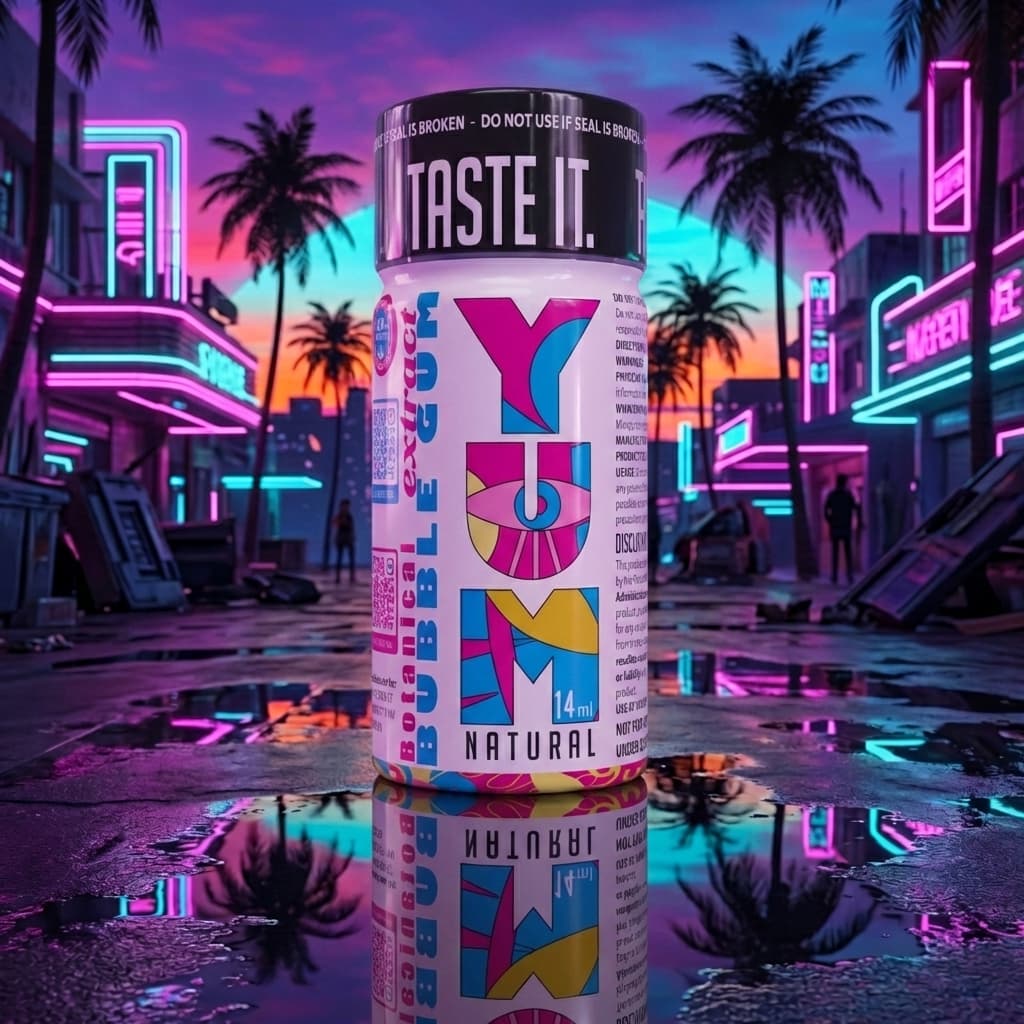
Taste what a clean, standardized extract is actually like.
See the YUM range →Two flavors · lab-tested · ships nationwide
The part nobody tells you: the product matters more than the plant
Here’s what the FDA warnings and the Reddit hype both leave out. Most bad kratom experiences aren’t about kratom — they’re about bad kratom. Loose green powder from a smoke shop is bitter, gritty, inconsistent batch-to-batch, and impossible to dose accurately. Mystery “liquid gold” shots hide what’s inside. When your product is a guess, your experience is a guess.
A good extract fixes the two biggest problems: consistency and dosing. It standardizes the active alkaloids so every serving is the same strength — and you stop playing “was that too much or not enough?” The catch: extracts vary wildly in quality. Which is exactly where most first-timers get burned.
5 things that separate a good extract from a bad one
- 1. Third-party lab testing. A real brand publishes a Certificate of Analysis per batch — alkaloid content plus screens for heavy metals, salmonella, and mold. No lab results? Assume there aren’t any.
- 2. Standardized dosing. The label should state the exact mitragynine per serving. “Extra strength” is a marketing word, not a dose.
- 3. A short, clean ingredient list. Kratom extract, water, natural flavor. Long lists of synthetic additives — especially concentrated 7-OH gimmicks — are a red flag.
- 4. It’s genuinely drinkable. Raw extract is punishingly bitter. If you dread it, you’ll rush the dose to get it over with — which is how people take too much.
- 5. Transparent US sourcing. A company that’ll tell you where the leaf came from beats a faceless bag from behind a counter.
Where YUM comes in
We built DrinkYUM because we were tired of the only two options: gritty powder that tastes like a lawn, or mystery shots with no idea what was inside. So we made the extract we actually wanted to drink — and it checks every box above.

Lab-tested every batch
Alkaloid content and contaminant screens you can actually see.
Actually easy to drink
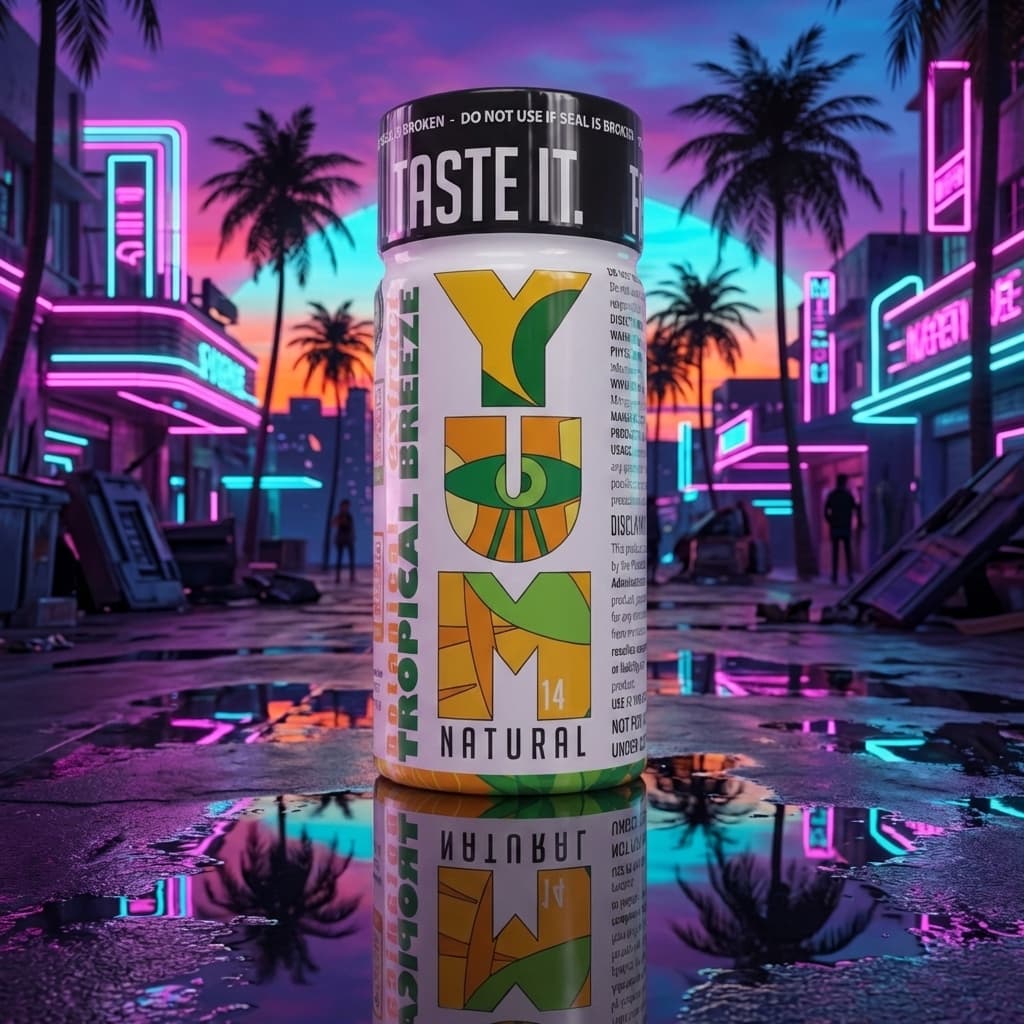
Bubble Gum & Tropical Breeze — no bitter extract aftertaste.
- ✓ Standardized servings — same strength every time, so you find your level and stay there.
- ✓ Short, honest ingredient list — no synthetic filler, no 7-OH tricks.
- ✓ Transparent US sourcing — we’ll tell you where the leaf came from.
We won’t tell you kratom is a miracle — anyone who does is selling you something. What we’ll tell you is that if you’re going to try it, the product you pick matters more than almost anything else you’ll read today.

If it’s your first time
Start with half a serving and wait 30–45 minutes before deciding if you want more. Try it with and without food to see what your body prefers. Don’t combine it with alcohol or sedatives. It’s for adults 21+ and isn’t intended for daily use. Boring advice — and it’ll save you a bad first impression.
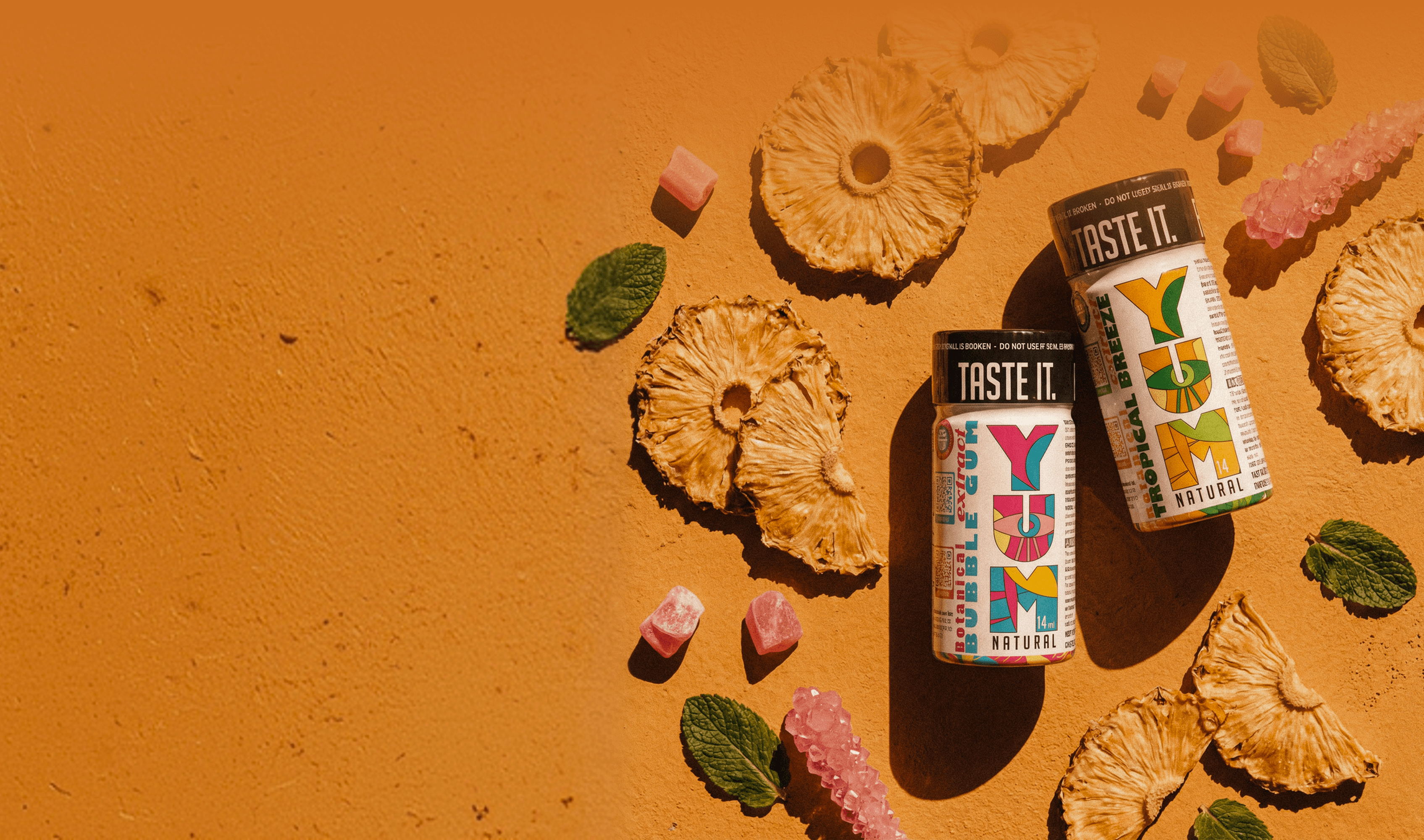
The fastest way to answer “is it for me?” — taste it.
Lab-tested, standardized, and actually pleasant to drink. Two flavors, ships nationwide.
Shop the YUM range →This article is for general education and is not medical advice. Kratom is not approved by the FDA to diagnose, treat, cure, or prevent any disease. Must be 21+. Not intended for daily use. Consult a healthcare provider before use, especially if pregnant, nursing, or taking medication.